
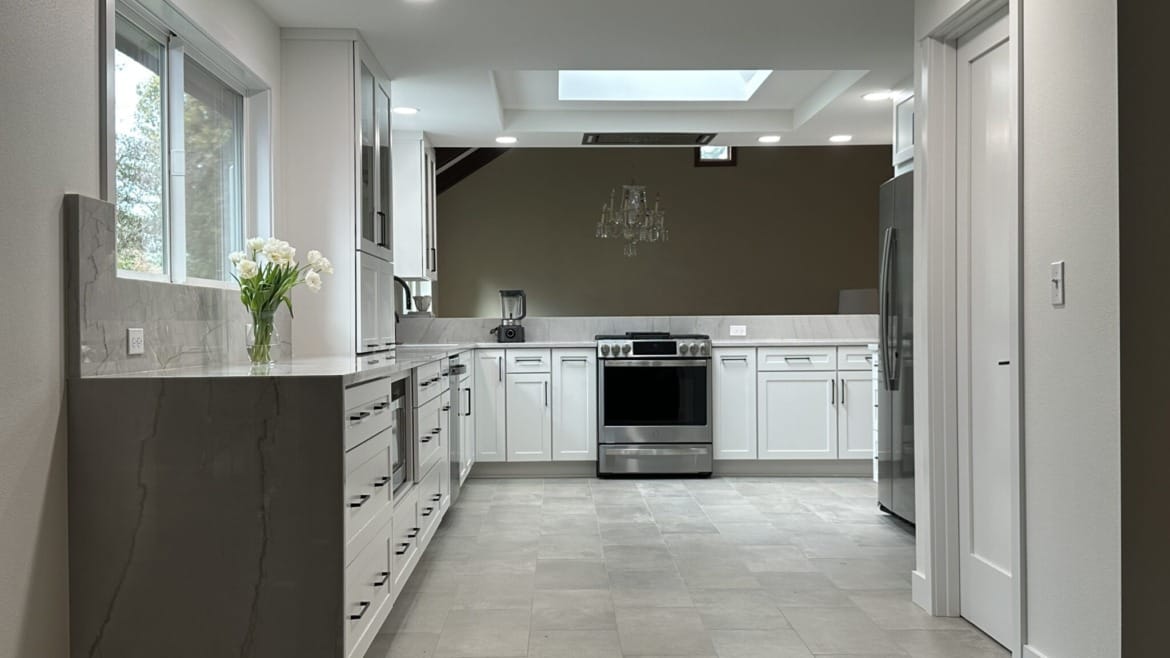
When kitchen remodel proposals come in at different numbers, it is tempting to compare only the totals. That can be misleading if the proposals are based on different assumptions, materials, responsibilities or levels of detail.
A better comparison starts with scope. The goal is to make sure you understand what each contractor is actually proposing to build.
Compare the Same Categories
Line up the major parts of the project: demolition, cabinetry, countertops, backsplash, plumbing, electrical, lighting, flooring, painting, appliances and finish work. If one proposal does not mention an item that another proposal includes, ask whether it is excluded, assumed or simply not detailed.
Look for Owner-Supplied Items
Some proposals assume the homeowner will purchase appliances, plumbing fixtures, decorative lighting or hardware. Others may include allowances or contractor-supplied selections. Make a separate list of everything you are expected to purchase so you are not comparing a proposal with materials included against one that excludes them.
Identify Allowances
Allowances are placeholders for selections that have not been finalized. Ask what each allowance covers and which items still need to be selected. A proposal can appear lower simply because several finish selections have not yet been defined.
Compare Layout Assumptions
Confirm whether the proposal assumes the existing layout stays substantially the same or includes changes to plumbing, electrical, walls, windows or doors. Layout changes can affect several trades at once, so this is one of the most important scope questions to clarify.
Check What Happens Around the Kitchen
Floor transitions, adjacent wall repairs, paint, trim and connections to nearby rooms can create differences between proposals. Ask where the kitchen scope begins and ends.
Use a Written Selection List
The more of the cabinet style, countertop direction, sink, faucet, appliances, flooring, lighting and hardware you have organized, the easier it is for multiple contractors to price the same project.
Our Free Remodeling Planning Tools include a kitchen calculator and selection planner that can help organize those decisions before you compare proposals.
Ask What Is Still Unknown
A strong comparison should also identify what is not yet known. That might include hidden conditions, final product selections or design decisions that depend on field verification. Uncertainty itself is not unusual; what matters is understanding where it exists.
Planning a Kitchen Remodel in Temecula?
Use the free kitchen calculator to organize your scope, then contact Trust Company when you are ready to discuss the project.